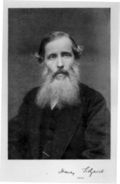
 [F]rom one point of view, we are disposed to think that the customary distribution of rights, goods, and privileges, as well as burdens and pains, is natural and just, and that this ought to be maintained by law, as it usually is: while, from another point of view, we seem to recognise an ideal system of rules of distribution which ought to exist, but perhaps have never yet existed, and we consider laws to be just in proportion as they conform to this ideal. It is the reconciliation between these two views which is the chief problem of political Justice.
(Henry Sidgwick, The Methods of Ethics, 7th ed. [Indianapolis: Hackett Publishing Company, 1981], bk. III, chap. V, sec. 3, p. 273 [italics in original; footnote omitted] [first published in 1907; 1st ed. published in 1874])
 Keith Burgess-Jackson, J.D., Ph.D.