Here.
-
Ten Years Ago Today in This Blog
–––––––
-
Here.
Dilbert
–––––––
-
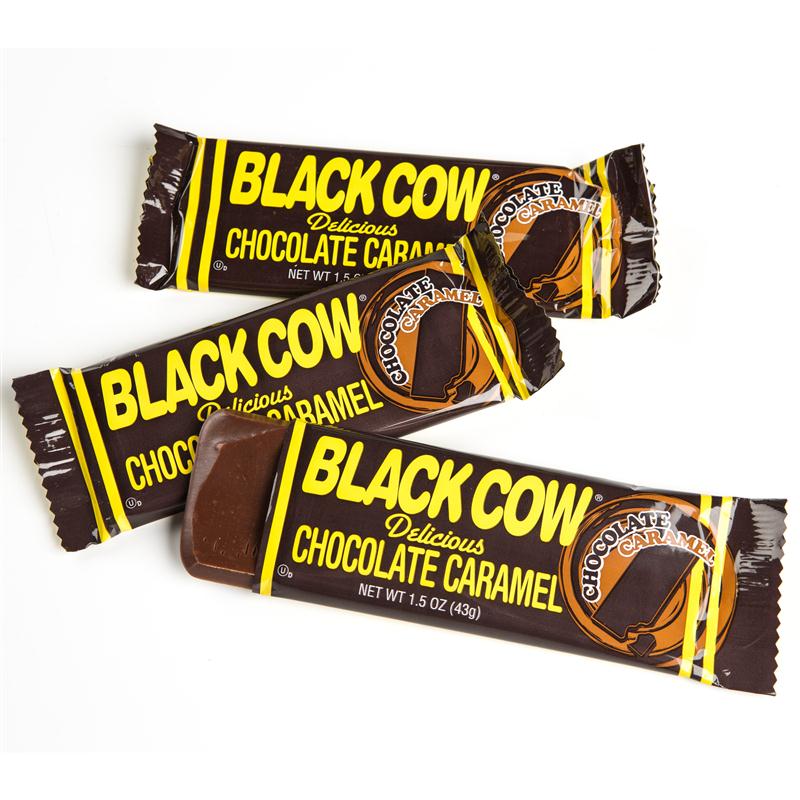
Candy
–––––––
-
To the Editor:
The opposite of gratitude, I think, is not resentment but entitlement. Some people think: It is right and proper that I have an income of $400,000 a year, eat at fine restaurants, live in a large house. I deserve these things. I will do whatever I must to protect these rights—for instance, by fighting against higher taxes.
Speaking for myself only: I have a warm, dry bed to sleep in every night; plentiful, tasty food; clean water at a touch; my local public library. I am glad to have these things. I try not to take them for granted. I am grateful — to whom? To the gods? No, to the many people who make my style of life possible. I consider it my duty—which I fail at, unfortunately—to take action to spread these good things to everyone. If that means political struggle against the entitled, then so be it.
JOHN PLOTZ
Hayward, Calif.
From Today’s New York Times
–––––––
-
Humor
–––––––
-
Here.
Ten Years Ago Today in This Blog
–––––––
-
Here.
Dilbert
–––––––
-

What I’m Reading
–––––––
-
 Theories of value, as I shall understand them, are theories of intrinsic value: They make claims about what things (e.g., actions, states, events) are valuable in themselves, necessarily valuable, or valuable whatever else might be true. Intrinsic goods are to be contrasted with things that are extrinsically valuable and things that are necessary conditions of realizing intrinsic value. Something is extrinsically valuable if it is instrumentally valuable, valuable as a means, or causally produces (either directly or indirectly) intrinsic goods. In most theories of value, many things that have value will have only extrinsic value. Thus, according to the hedonist, since the only thing having intrinsic value is the simple, qualitative mental state of pleasure, all other things, including all nonmental items (e.g., actions, activities, institutions, policies) can have only extrinsic value. In some theories of value, certain things, for example, certain sorts of activities, can be both intrinsically and extrinsically valuable. Something is a necessary condition of realizing intrinsic value if without that thing there could literally be no intrinsic value. Finally, something may be a necessary condition either of realizing any intrinsic good or of realizing some particular intrinsic good. Thus, if knowledge is the one and only intrinsic good, then (at least according to internalist conceptions of knowledge) justified belief is a necessary condition of realizing any value. Whereas if knowledge is only one among many intrinsic goods, then justified belief (again, on internalist assumptions about knowledge) will be a necessary condition of realizing only this component of value.
(David O. Brink, Moral Realism and the Foundations of Ethics, Cambridge Studies in Philosophy, ed. Sydney Shoemaker [Cambridge: Cambridge University Press, 1989], 217-8 [italics in original])
-

Humor
–––––––

