Fountains of Light (1977).
-
-
Here.
Ten Years Ago Today in This Blog
–––––––
-
Here.
Dilbert
–––––––
-
A column by Leonid Bershidsky, “Suddenly, Putin is Playing Nice in Syria,” was published Sept. 23, in which he offers an opinion that Vladimir Putin is suddenly a soft touch on Syria because Donald Trump and America’s allies are willing to take military action against Bashar Assad. This is a curious opinion.
The only direct U.S. action against Mr. Assad during the Trump presidency took place in April 2017, when 59 Tomahawk cruise missiles were expended to strike Syria’s Shayrat air base. The Russian military was notified in advance, and it is likely that it informed Mr. Assad. Mr. Assad laughed it off and the very next day resumed airstrikes against civilians. Since then, Mr. Assad has continued attacking civilians with bombs and chemical weapons, while the small number of U.S. troops in Syria serve only in a training and support role for rebel fighters.
Given the lack of action against Mr. Assad in almost a year and a half, Mr. Trump’s public admiration and support for Mr. Putin, and Mr. Trump’s verbal attacks on our NATO allies, it seems unlikely that Mr. Putin fears any action by Mr. Trump. Equally unlikely is Mr. Putin suddenly becoming a soft touch about anything.
I wonder why the founder of a Russian opinion website would write such a misleading column, but I will refrain from speculating.
TED ROGOWSKY
Scott
-
The Democrats are playing a high level CON GAME in their vicious effort to destroy a fine person. It is called the politics of destruction. Behind the scene the Dems are laughing. Pray for Brett Kavanaugh and his family!
— Donald J. Trump (@realDonaldTrump) September 26, 2018
Presidential Tweet
–––––––
-
I prepared this handout for my Logic students. I haven't used a logic textbook in many years. I prepare my own handouts, exercises, and other materials.
Technical Validity
–––––––
-
Foot Loose & Fancy Free (1977).
-
Here.
Ten Years Ago Today in This Blog
–––––––
-
Here.
Dilbert
–––––––
-
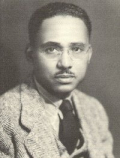 As a defender of benevolent despotism Mill is no doubt put down by today's "liberals" as a forerunner of the imperialism of Disraeli and Joseph Chamberlain in the 1890's. The few lines in his essay, On Liberty, would seem to justify this sort of characterization. But it is invalidated by a true understanding of Mill's philosophy of progress. His premise that some people are unready for self-government under a representative system, though distasteful to minds emotionally charged with anti-imperialist and anti-colonial sentiments, seems to be supported by the expectation that despotism is likely to prevail for some time in countries recently freed from white imperialism. The hard and unpalatable fact that Mill courageously faced was that cultural and political backwardness made despotism, alien or home-grown, inevitable. He reasoned that in promoting good government and the requisites of ultimate self-government an alien despotism of civilized Europeans was generally superior to a native one. This was demonstrated, he thought, by two circumstances connected with the British rule of India. One was that the British had succeeded where the native despots had failed in establishing the order and national unity necessary for progress and freedom. The other circumstance was that in educating the Indian people according to Western ideas and feelings, and, in the process, implanting the ideas of political freedom and self-government, the British were deliberately creating the conditions for the withering away of their rule.
(Abram L. Harris, "John Stuart Mill: Servant of the East India Company," Canadian Journal of Economics and Political Science 30 [May 1964]: 185-202, at 201)

