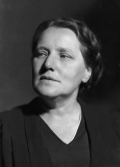
 Analysis . . . is, in my opinion, a proper part of moral philosophy. Analysis is, however, merely a propaedeutic to using what has been analysed. Certain contemporary philosophers seem contented [sic] to regard moral action only as providing occasions for ethical remarks and are interested in these remarks only in so far as they provide exercises in linguistic analysis; these exercises, treated as games requiring no small degree of specialized skill, are, like chess-problems to an ardent chess-player, inexhaustibly amusing but of no practical concern in the business of living. Moral philosophers, I contend, must be concerned with the ways in which men live—their ways of life which embody their ideals. I conceive that it falls within the proper province of moral philosophers to formulate ideals worth living for and to attempt to make clear principles which may afford guides for action. This is a task singularly difficult to fulfil.
(L. Susan Stebbing, Men and Moral Principles, L. T. Hobhouse Memorial Trust Lectures No. 13 [London: Humphrey Milford, Oxford University Press, 1944], 4, reprinted in Hobhouse Memorial Lectures 1941-1950 [London: Geoffrey Cumberlege, Oxford University Press, 1952] [lecture delivered on 12 May 1943] [ellipsis added])
Note from KBJ: I have no objection to philosophers formulating "ideals worth living for," but I would insist that philosophers, as such, have no evaluative or normative expertise. In other words, the fact that the person formulating the ideals is a philosopher (by training, profession, or occupation) gives those ideals no more weight than they would have if they were formulated by a nonphilosopher.

