Skip to content

Keith Burgess-Jackson, J.D., Ph.D.

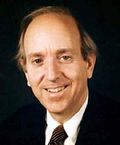
  • Richard A. PosnerA decision by the Supreme Court holding that the Constitution entitles people to marry others of the same sex would be far more radical than any of the decisions cited by Eskridge. Its moorings in text, precedent, public policy, and public opinion would be too tenuous to rally even minimum public support. It would be an unprecedented example of judicial immodesty. That well-worn epithet "usurpative" would finally fit.

    (Richard A. Posner, "Should There Be Homosexual Marriage? And If So, Who Should Decide?," review of The Case for Same-Sex Marriage: From Sexual Liberty to Civilized Commitment, by William N. Eskridge Jr, Michigan Law Review 95 [May 1997]: 1578-87, at 1585)

    Note from KBJ: By 2014, Posner had changed his mind. I wonder what changed in 17 years. The text of the Constitution certainly didn't change.

    Richard A. Posner on Homosexual “Marriage”

    –––––––

    Jun 27
  • Here.

    Ten Years Ago Today in This Blog

    –––––––

    Jun 27
  • Here.

    Dilbert

    –––––––

    Jun 27
  • To the Editor:

    The Supreme Court has judicially enacted a result that was being achieved by the democratic process in state after state. Recognition of same-sex marriage is right and just, and is consistent with a remarkable change in public opinion for which every person who was open about his or her sexuality to relatives and friends deserves credit.

    But my happiness for my gay friends and relatives is tempered because this is very bad constitutional law. Hard as it is for many to understand, while our Constitution insulates certain enumerated rights from being overridden by political majorities, it does not enact five justices’ personal conception of justice.

    Nothing in the Constitution’s text or our history supports a finding that a right to same-sex marriage is a protected liberty interest. Nor can the Equal Protection Clause of the 14th Amendment (adopted in 1868) be reasonably construed to constitutionally require a change in the definition of marriage as it was universally understood until the beginning of this century.

    Many will find this objection impossibly bloodless. But raw judicial power can enact results one despises as well as those one celebrates. I would have put my trust in the tolerance of the American people. It was winning and would have won.

    HOWARD F. JAECKEL

    New York

    From Today’s New York Times

    –––––––

    Jun 27
  • Steel Umbrellas (1994).

    Saga, “Why Not?” (1994)

    –––––––

    Jun 26
  • Robert P. George 2In treating arguments against the liberal position or in favor of the legal enforcement of morality, Feinberg refrains from distorting his opponents' claims or presenting their arguments in an unfairly unfavorable light. He rarely criticizes a view before taking pains to present the strongest argument he can muster on its behalf. He does not pretend that the sole alternative to the libertarian permissiveness he espouses is an authoritarian oppression that no honorable critic of liberalism would endorse or even tolerate. Nor does he resort to questioning the motives or character of those who do not share his liberal faith. In the most ancient and best tradition of philosophy, he treats his interlocutors as partners with him in the quest for truth.

    (Robert P. George, "Moralistic Liberalism and Legal Moralism," review of Harmless Wrongdoing: The Moral Limits of the Criminal Law, by Joel Feinberg, Michigan Law Review 88 [May 1990]: 1415-29, at 1421)

    Note from KBJ: Joel Feinberg was my teacher and dissertation director at the University of Arizona. They don't make many like him (or like Robert P. George, for that matter).

    Robert P. George on Joel Feinberg (1926-2004)

    –––––––

    Jun 26
  • Here.

    Ten Years Ago Today in This Blog

    –––––––

    Jun 26
  • Here.

    Dilbert

    –––––––

    Jun 26
  • To the Editor:

    The Supreme Court has read some sloppy legislation in a way most beneficial to millions of Americans now covered by medical insurance with the help of a federal subsidy. Many politicians will also benefit as a result.

    Since the passage of the Affordable Health Care Act, Republican opponents of the Obama administration have made the act Public Enemy No. 1. However, as affordable health care has begun to settle in, its political value as a target has increasingly waned.

    Had the Supreme Court negated the federal subsidy system, Republican candidates would have had to answer for the mayhem that was sure to follow. The court’s sane reading of the act has removed that political burden.

    More important, the nation should now be able to move forward with insured health care as a permanent part of the lives of millions of Americans previously left by the side of the road. There will, I hope, be improvements to come, but the debate should now forever turn from health care as a privilege to health care as an entitlement and how best to maintain it.

    BRUCE NEUMAN

    Sag Harbor, N.Y.

    Note from KBJ: According to the Pew Research Center, 53% of Americans disapprove of ObamaCare, while 45% approve. Good luck to those politicians who support it!

    From Today’s New York Times

    –––––––

    Jun 26
  • Here.

    Ten Years Ago Today in This Blog

    –––––––

    Jun 25
Previous Page Next Page

Blog at WordPress.com.

  • Subscribe Subscribed
    Keith Burgess-Jackson, J.D., Ph.D.

    Have a WordPress.com account? Log in now.

  • Keith Burgess-Jackson, J.D., Ph.D.
    View site in Reader
    Manage subscriptionsSign upLog in
    Report this content
    Collapse this bar